

Running the Ebb, a Fuel Run at Portaferry, and a “Tropical” Dublin Bay
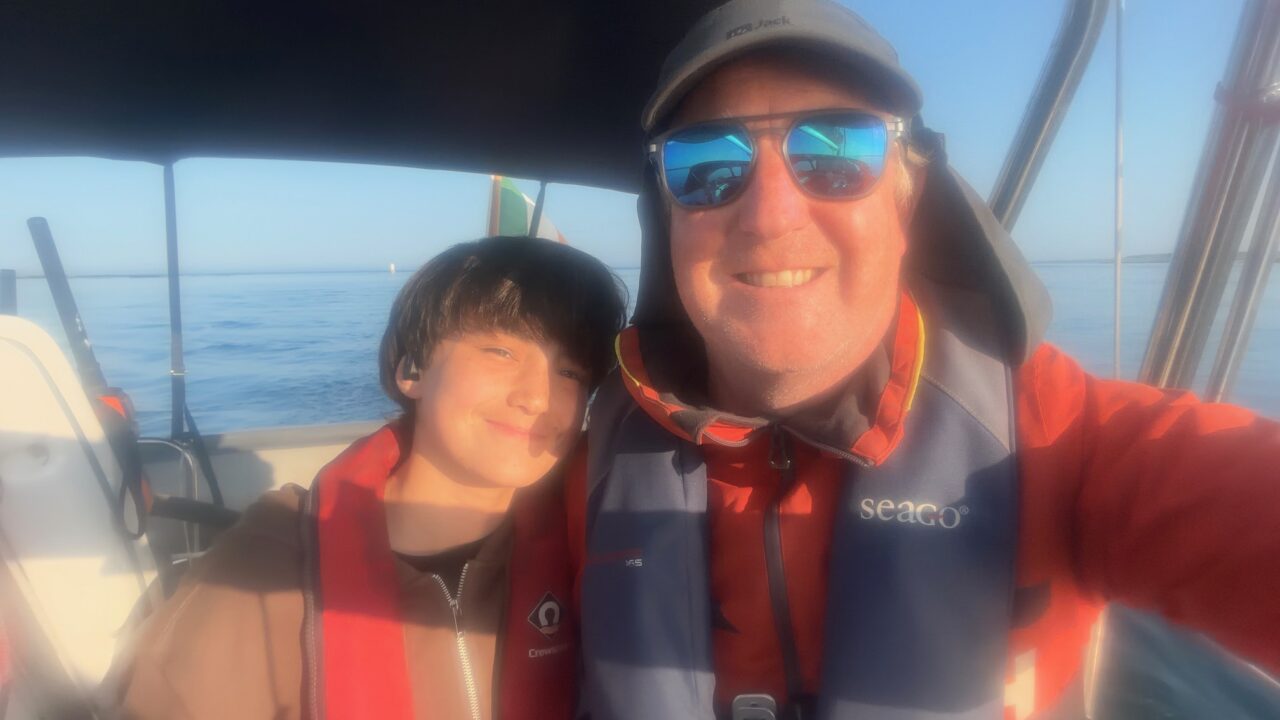
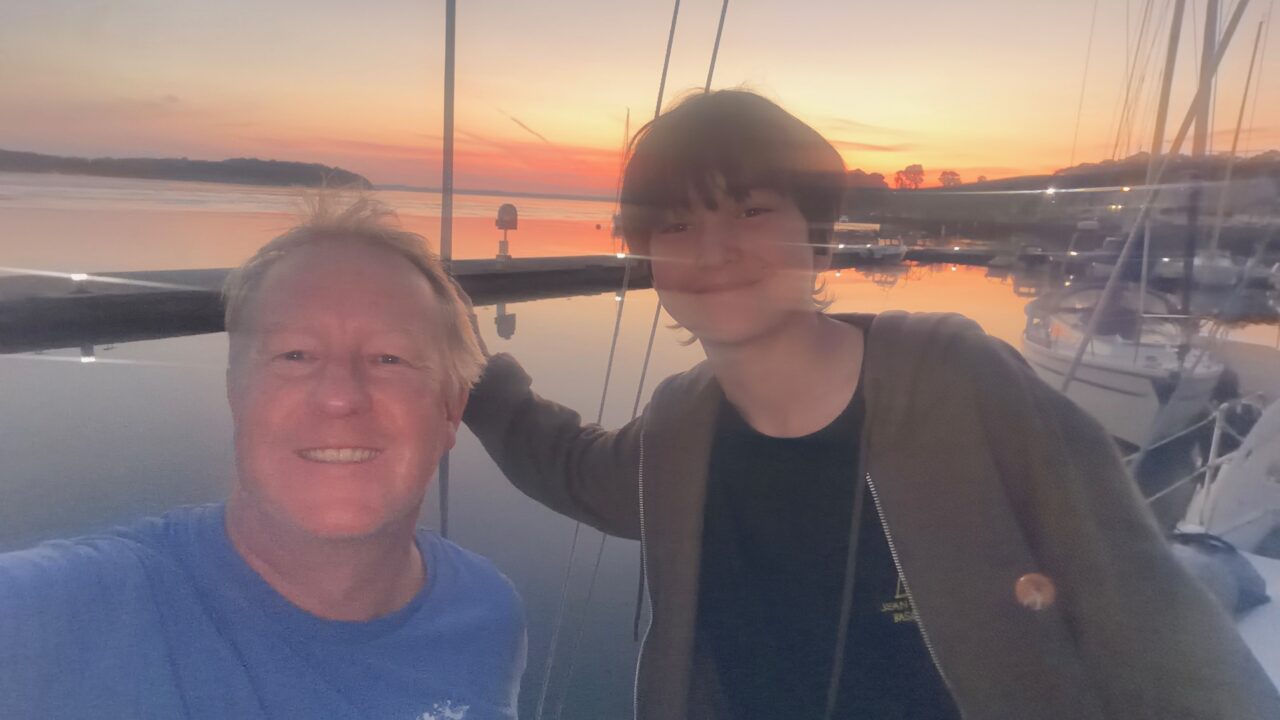
It was now time for the delivery trip. Sipadan’s crew had dwindled down to its core—just me and twelve-year-old Tomás. After a quick early morning shower, Su Yin had headed for the train station for her journey to Glasgow, and a flight to Dublin later that day. We had deliberately chosen Stranraer for Su Yin’s transfer, as it got us about six hours further south, although this did mean a three-hour train journey for Su Yin back to Glasgow. It was, however, a very scenic journey, or so Su Yin told me.
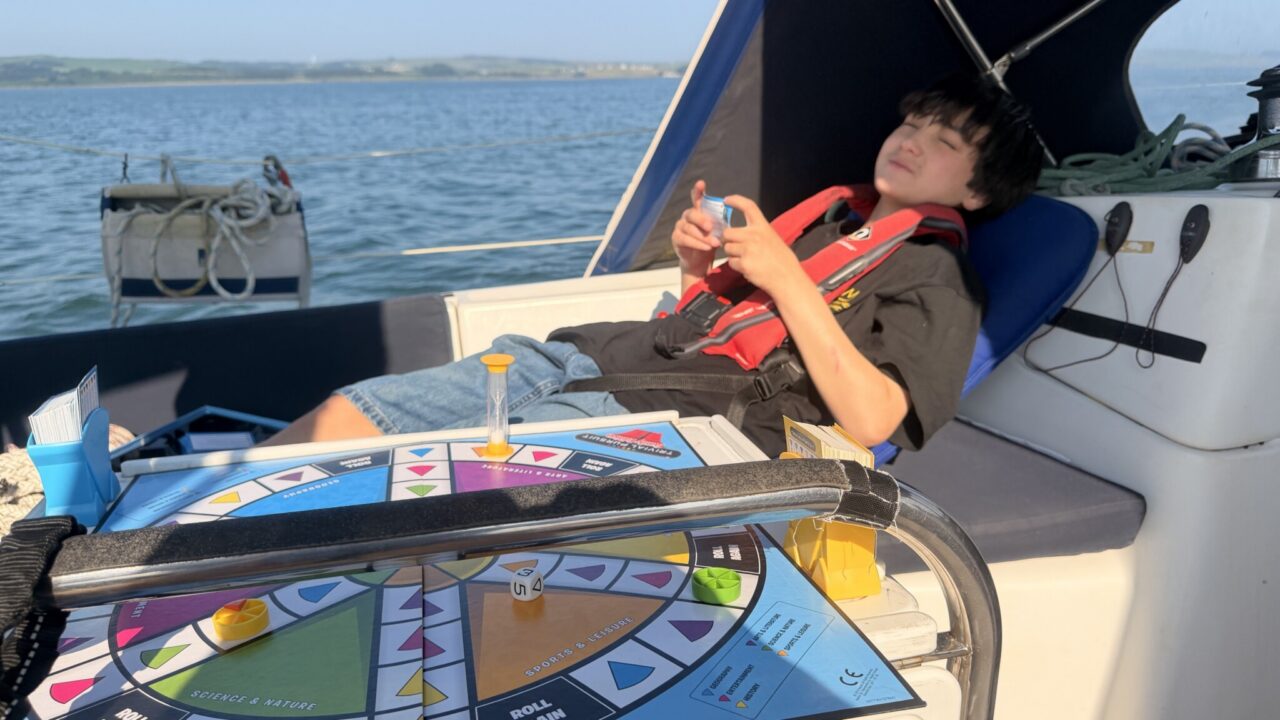
One disadvantage of Stranraer as a stop along the way was that it was tucked away right at the very southern end of Loch Ryan. This meant a long, one-hour slog upwind before we turned the corner to head southeast. The seas were still relatively big as we motored upwind with the wind against tide bringing up a swell that bashed our hull as we left the lough—Trivial Pursuit: Family Edition open on the cockpit table, albeit sitting rather precariously. We had tried a few times to put a traffic routing call through to Belfast Coastguard as we left Stranraer, but it appeared there was a significant VHF shadow in Loch Ryan.
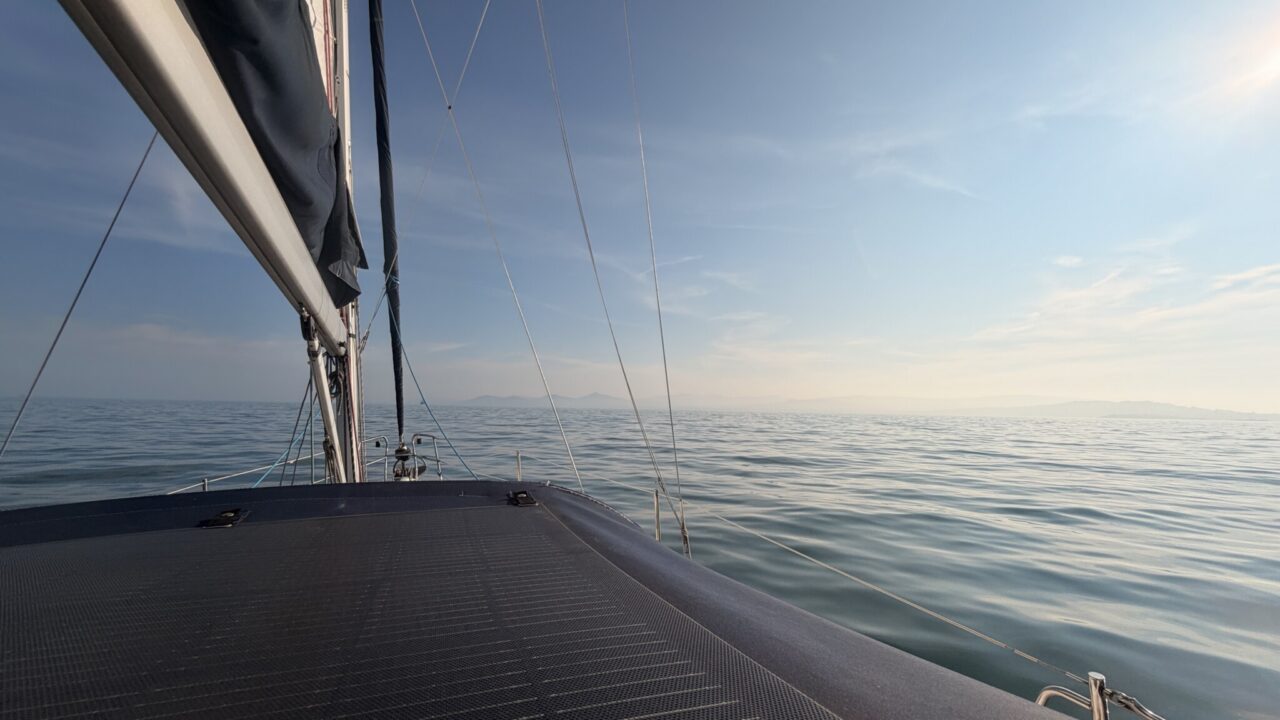
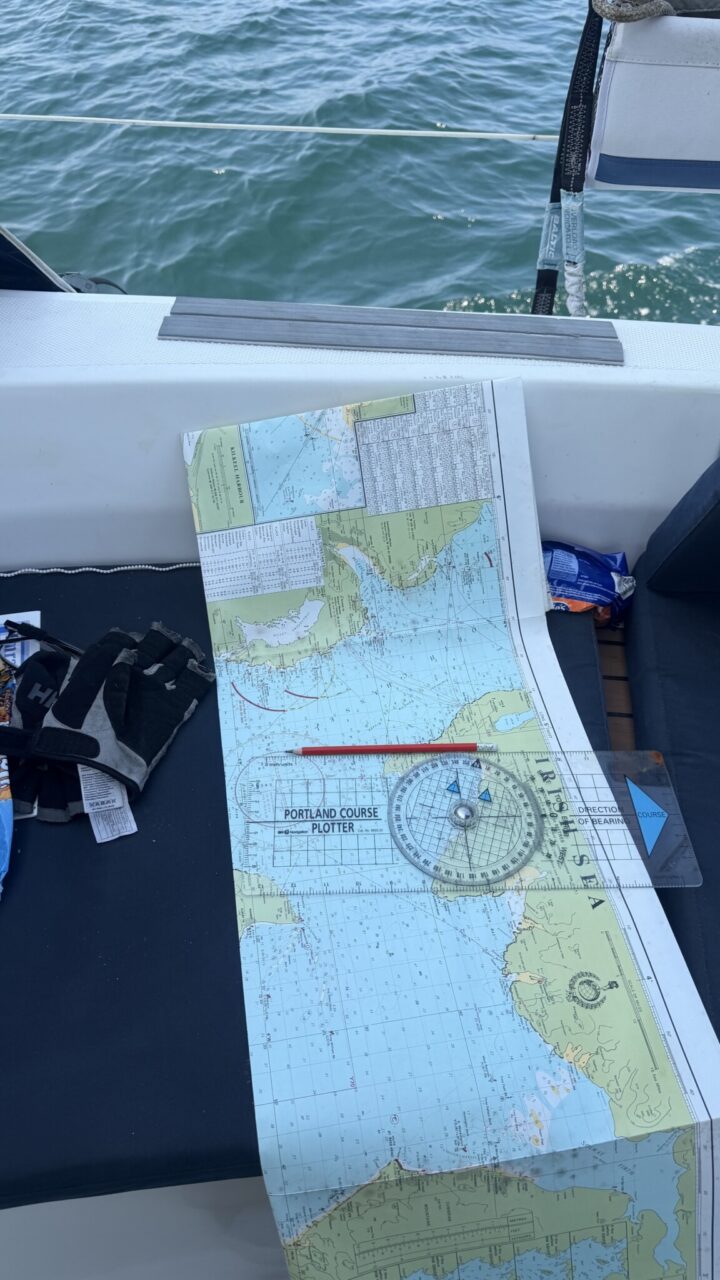
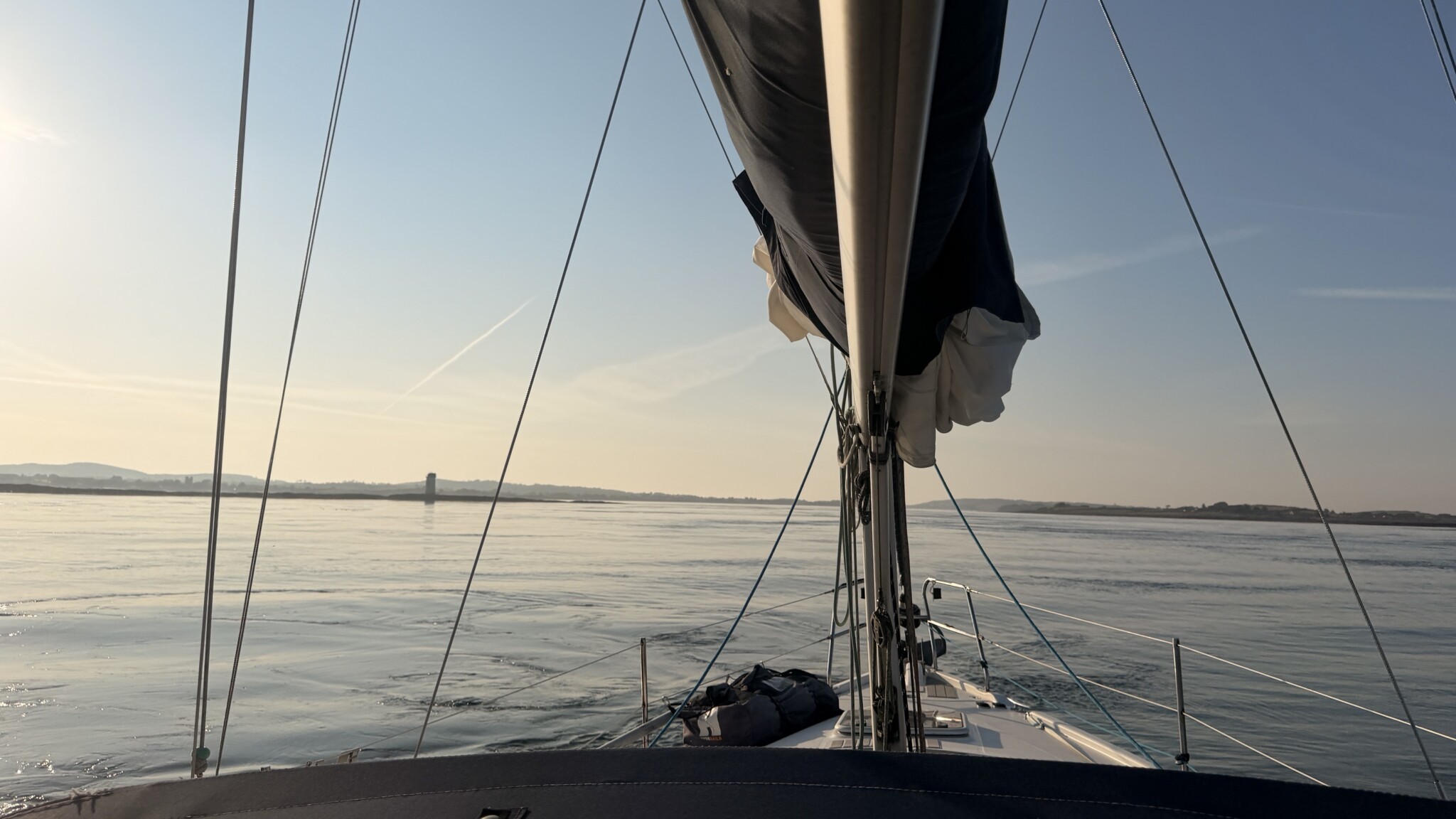
Coming around Milleur Point we had expected a rude awakening wind-wise, and I had reefed the mainsail in preparation. Unexpectedly, the wind died completely, giving way to flat seas and blazing sun. I felt a little sorry for twelve-year-old Tomás; instead of the exhilarating offshore sail I had promised, it turned out to be a straight-line motor delivery passage. I was a little indecisive, unsure whether to go island-hopping to the Isle of Man and Anglesey on the way home. I did try to draft a passage plan to take this into account, but with a limited time window before my return to work, I couldn’t make the tides work—in particular for the Menai Straits, which would have cost me an extra day.
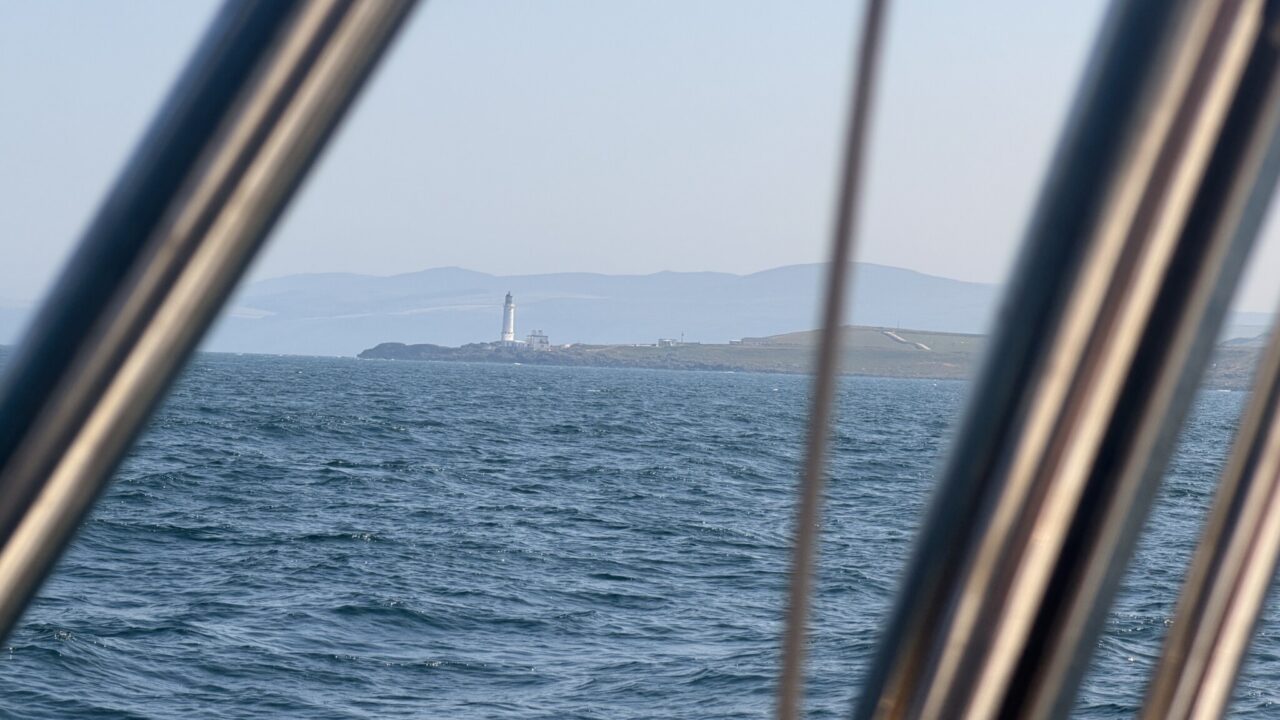
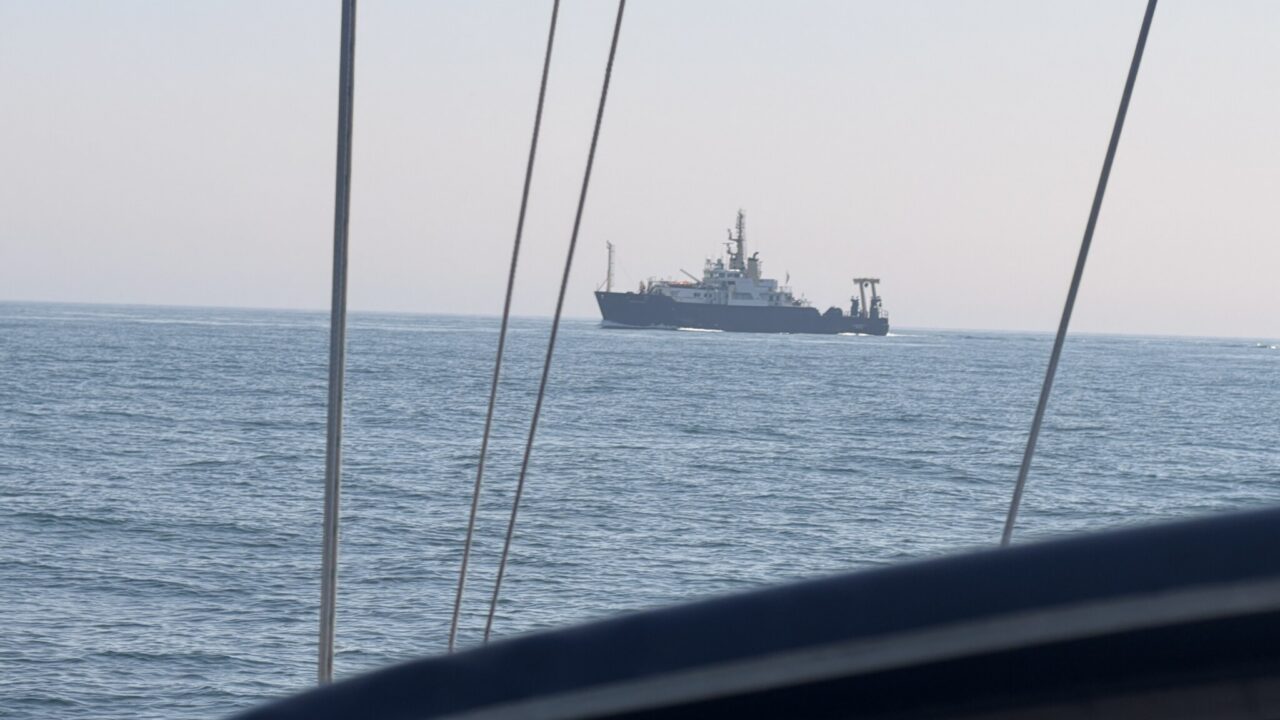
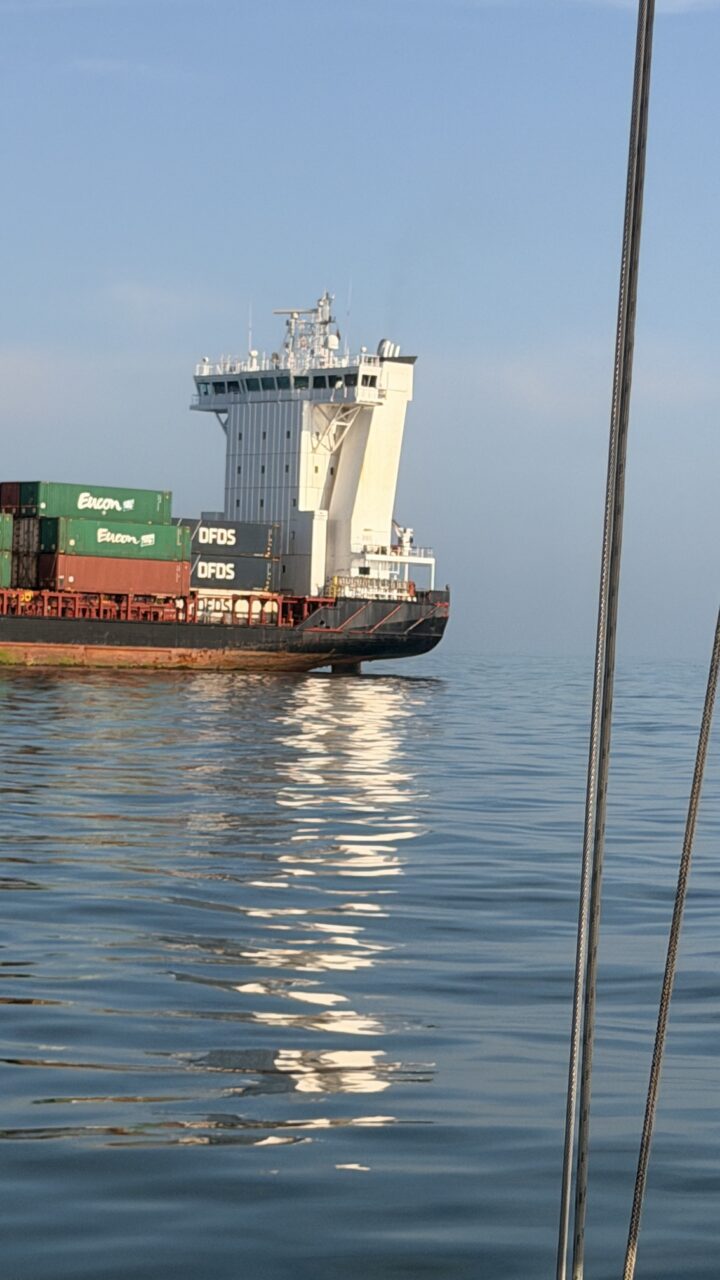
In the end, I opted for the easier and shorter direct hop back to the north of Ireland, laying our course back toward Ardglass. The passage across the North Channel was uneventful, apart from some routine ship-dodging. As I approached Ardglass, I passed the entrance to Strangford Lough, which I had previously considered but discounted due to the extra tidal considerations. It just so happened that I was passing the entrance to the lough at exact low water. I gave a quick call to Claire and Donal, who had navigated into the lough multiple times. They assured me that it was definitely worth the effort to get in there.
I had called the marina at Portaferry a few times without an answer. One issue was that I had burned a fair bit of diesel with all the motoring, and I was conscious that I needed a top-up for peace of mind. Approaching the notorious tidal bar, I could see a yacht heading out and watched his bow hit the standing wave—the boat bouncing like a cork with the mast tilting forty-five degrees fore and aft. Forewarned, I stashed everything breakable and prepared for a rough ride.
Hitting the bar at exact low water wasn’t entirely ideal, as the outgoing ebb continues for thirty minutes or so after LW, but the onshore wind was minimal. How bad could it be?
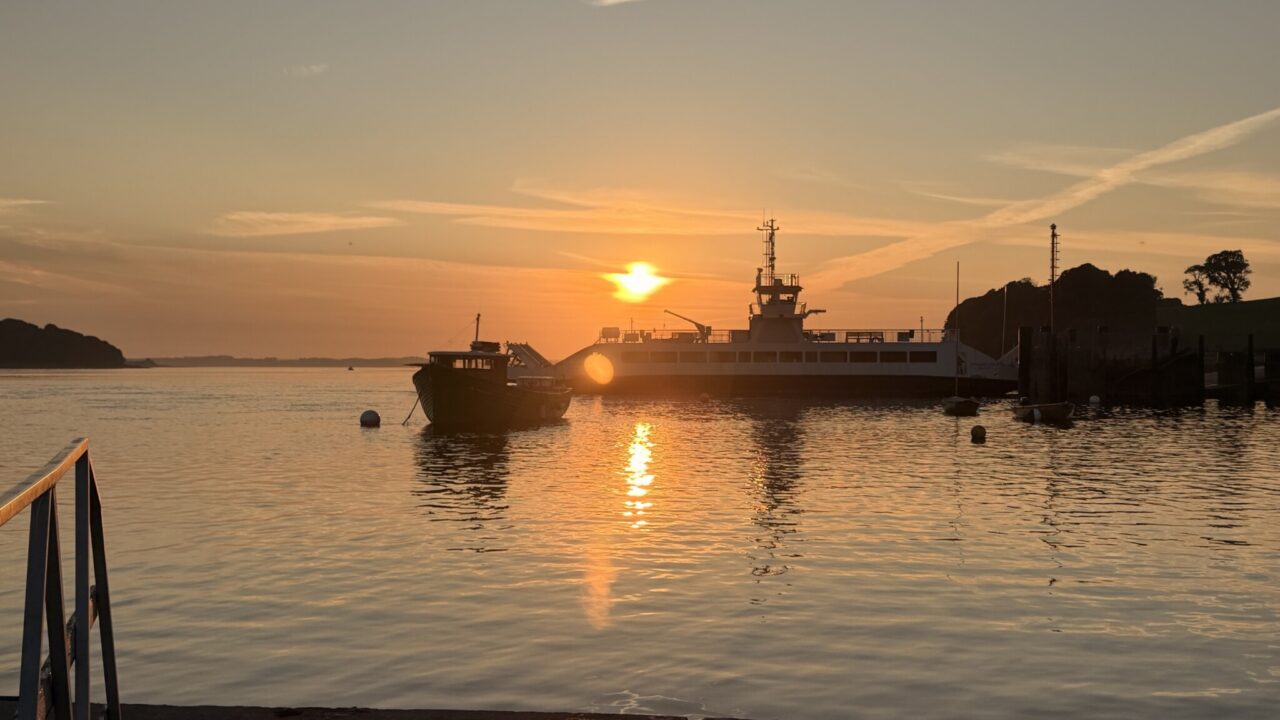
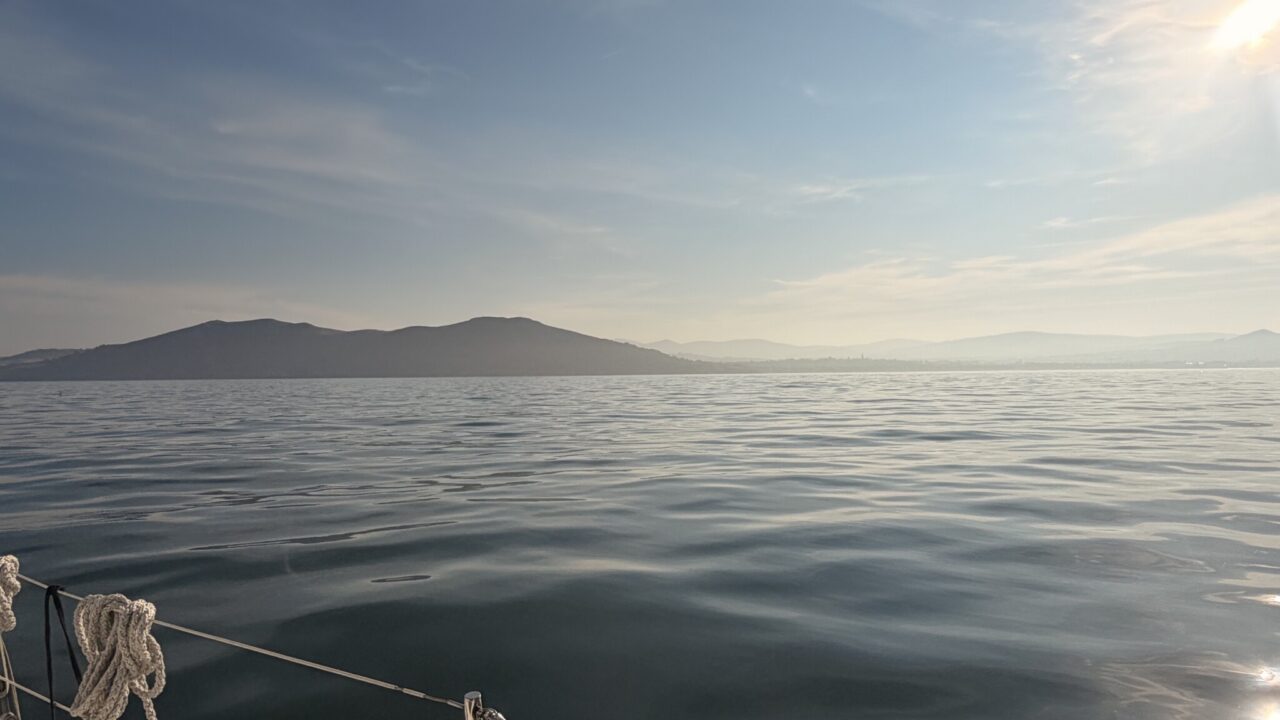
Quite bad, as it turned out. Navigating overfalls and standing waves under full throttle while achieving a speed over the ground of just 1.8 knots was a rocky ride. I would hate to see it in a significant blow! I also lost quite a bit of time pushing up the channel against the last of the ebb, but it had to be admitted that it was genuinely beautiful: old castles, a golden sunset, and mirror-flat water inside.
Unsure about the marina, I came in prepared for anything, anchor ready to drop, but with fenders on both sides and lines primed. Passing Portaferry Marina to scout it out, I saw two men waving and gesticulating to us. Deciding to chance it, I approached the floating breakwater, keeping close and avoiding the shallow-looking rocks to starboard. As it turned out, that was what all the gesticulating was about—Paul, the harbourmaster, was trying to keep me away from those very rocks!
It turned out he had been expecting me. He had missed my two calls, but because I was calling from an Irish number, he couldn’t call me back. I hadn’t thought the Republic, only thirty miles distant, counted as that foreign!
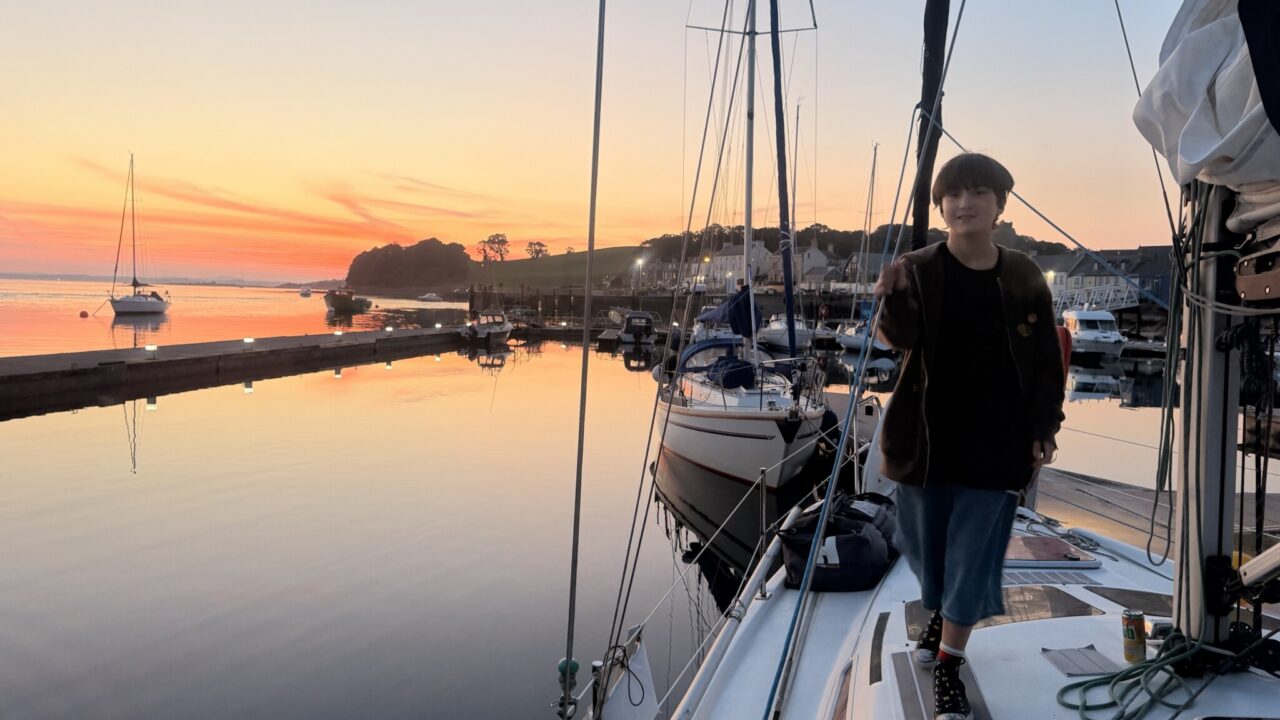
Once alongside, Paul was extremely accommodating and couldn’t have done more. There was only one snag: because of the tides, the absolute latest I could leave the following morning was 8:00 AM, which meant that in addition to getting fed, the fuel run had to happen immediately. Initially, I borrowed a trolley to walk the mile or so to the service station, but one of the local sailors very kindly offered to drive me there and back, which proved a lifesaver. Dinner was at a local Indian restaurant, as given the watershed, I couldn’t bring twelve-year-old Tomás into the pub. Sipadan, however, held the best views in town, and the sunset over Strangford Lough was sublime—not a bad spot for a late evening glass of wine once the jobs were completed.
Waking the next morning at 7:00 AM, I could hear the roar of the waves at the entrance to the lough. I definitely needed to time our exit correctly and not miss the window, as the tides here could run at seven to eight knots. As it happened, we had a seamless exit; despite the current and being shorthanded as usual, there were no witnesses to my success! Exiting the lough, there was still a standing wave, but running with the ebbing tide we transited it quickly. Picking up the south-going flow, we made good time down the coast.
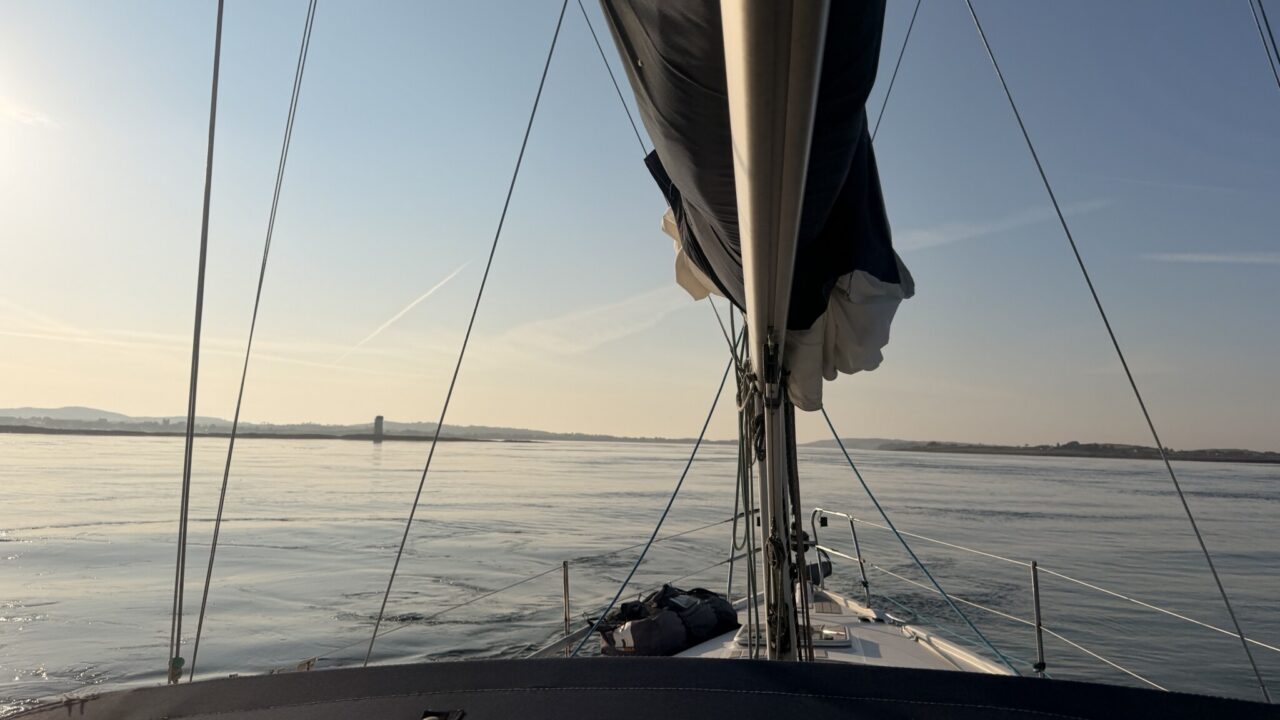
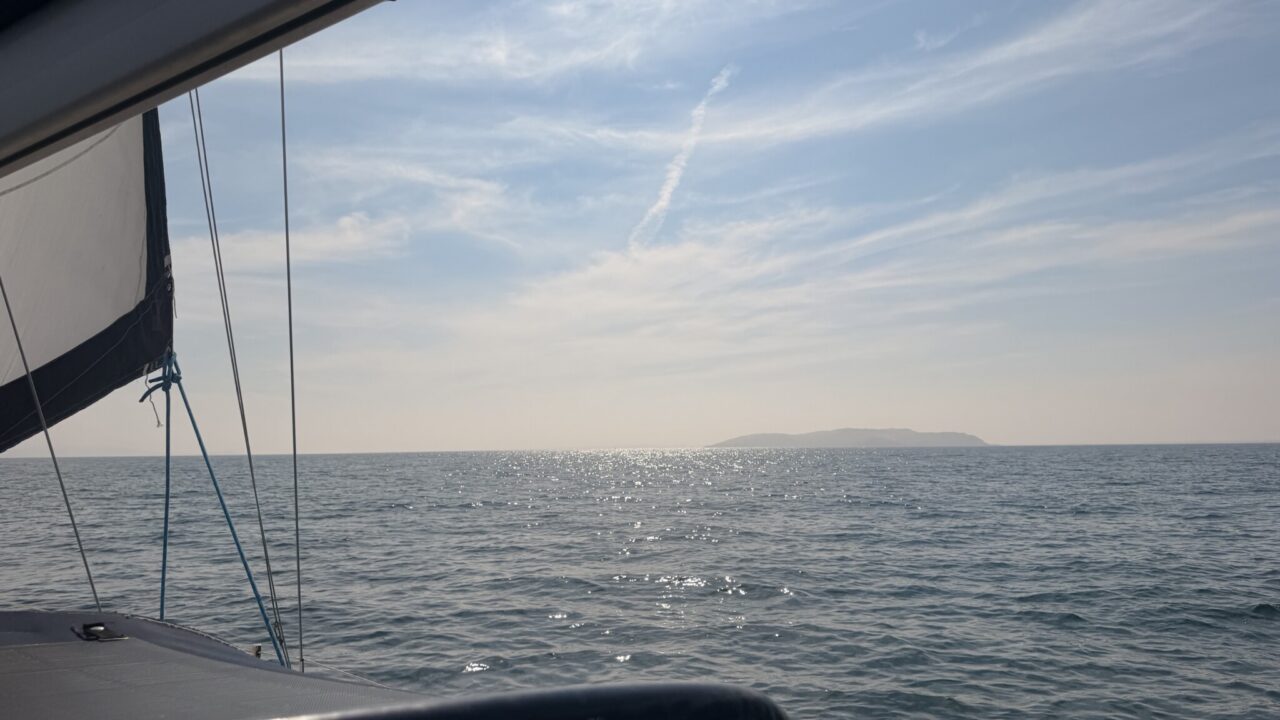
Our original destination had been Howth, but seeing how quickly we were making way with the benefit of the tidal currents, I realised that if I could push on to Greystones, I could save an entire day on our return to Dungarvan by Saturday. That would leave Sunday free to get Sipadan cleaned and settled. We decided to plough ahead across a mirror-flat, “tropical” Dublin Bay, the anchored ships perfectly reflected in the still water. Arriving in Greystones, we made straight for the fuel berth, where I filled her tank to the brim alongside two extra cans. Looking at the forecast, it was shaping up to be an iron-sail passage all the way from Stranraer back to Dungarvan!